Thinking About New Floors? Let's Talk Tile & Flooring
So, you're looking at your floors and thinking it's time for a change, huh? Maybe that old linoleum in the kitchen is bugging you, or the bathroom tile from the 80s just isn't cutting it anymore. I get it. As a contractor here in Buena Park, I've seen countless homeowners decide to upgrade their flooring, and it's a great way to refresh your whole house. But before you rip anything up, let's talk about what you need to know, from start to finish. And more importantly, what you can realistically do yourself versus when you absolutely should call a pro.
Before You Start: Planning & Prep
First things first: planning. Don't just dive in. You need to decide on the type of flooring. Are we talking ceramic tile, porcelain, luxury vinyl plank (LVP), hardwood, laminate? Each has its own installation quirks and requirements. Think about the room's use. A bathroom, for instance, needs something waterproof and durable, especially with our humid summers here in Southern California. Porcelain tile is usually a solid bet for bathrooms and kitchens.
Next, measure. Measure twice, buy once. Seriously. You'll need to calculate the square footage of the room and then add about 10-15% extra for cuts, mistakes, and future repairs. Trust me, having a box or two of extra tile years down the road can save you a huge headache if one cracks.
Then there's the subfloor. This is crucial. If your subfloor isn't flat, clean, and sound, your new flooring won't last, no matter how good it is. For tile, you often need cement board. For LVP or laminate, it needs to be super smooth and level. This is where many DIY projects go sideways. If your subfloor is uneven, warped, or has water damage, you're looking at a bigger job than just laying new material. This might be your first sign to call someone like us at Buena Park Bathroom Solutions.
During the Project: DIY vs. Pro
Okay, so you've got your materials and your subfloor is prepped. Now for the actual installation. Here's my take on what you can probably handle and what you might want to leave to the experts:
- Laminate or Click-Lock LVP: If you're handy and patient, you can probably install these yourself in a square or rectangular room. They're designed for DIYers. Watch a ton of YouTube videos, rent the right tools (a good saw, tapping block, spacers), and take your time.
- Sheet Vinyl: This can be tricky. Getting it perfectly cut and laid without bubbles or wrinkles is an art. Small bathrooms might be doable, but larger areas? You might regret trying to DIY it.
- Hardwood Flooring: This is generally a pro job. It requires specialized tools (nail guns, sanders), expertise in wood acclimation, and a good eye for patterns and transitions. If you mess up hardwood, it's an expensive fix.
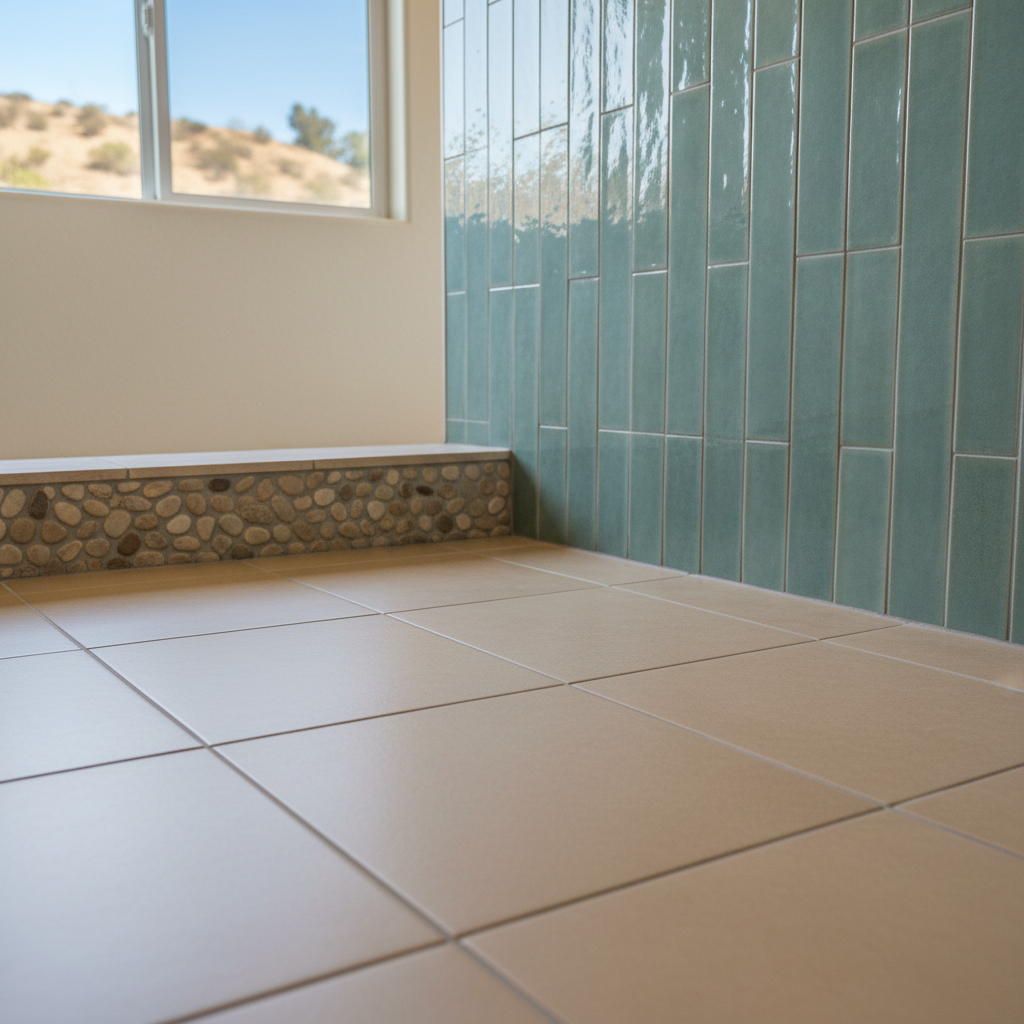
- Tile (Ceramic/Porcelain): This is where it gets really interesting. A small, simple area like a laundry room floor? If you're meticulous, you *might* be able to do it. But even then, getting consistent grout lines, a perfectly level surface, and clean cuts around obstacles takes practice. For a bathroom, kitchen, or any large area, I strongly recommend a professional. Why? Because tile is permanent. If it's not laid right, you'll have lippage (uneven edges), cracked grout, or even loose tiles down the road. Plus, cutting tile, especially porcelain, requires specific wet saws and techniques. Trying to cut around a toilet flange or a tricky corner in one of those older homes near Knott's Berry Farm with their unique layouts? That's not a beginner's task.
One thing I always tell folks: if you're feeling overwhelmed at any point, stop. It's better to call a professional halfway through than to try to fix a botched job later. We've seen it all, and fixing someone else's DIY attempt sometimes costs more than if we'd just done it right the first time.
After the Installation: Care & Maintenance
So, the new floor is in, and it looks great! Now what? Proper care is key to making it last. For tile, make sure you seal your grout, especially in wet areas like showers or kitchen backsplashes. This prevents staining and makes cleaning easier. Don't use harsh chemicals; usually, warm water and a mild cleaner are all you need.
For LVP and laminate, avoid excessive water. Mop with a damp, not wet, mop. For hardwood, keep it dry, clean up spills immediately, and use furniture pads to prevent scratches. No matter the flooring, regular sweeping or vacuuming will prevent grit from scratching the surface.
Ultimately, a new floor is a big investment in your home. Doing some parts yourself can save you money, but knowing your limits is even more important. If you're ever in doubt, or if you've got a project that feels too big to tackle, don't hesitate to give us a call. We're here to help Buena Park homeowners get the beautiful, long-lasting floors they deserve.